
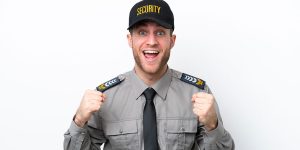


Hiring a private protection service is not only for celebrities or CEOs. It is a practical step for families, small firms, and event hosts who want fewer risks and better days. Trained officers help reduce the chances of theft, assault, and disruption. They watch for early signs of trouble, act fast, and coordinate with local responders when needed. Good teams do more than stand at a door. They assess your site, plan routes, and manage entries and exits. They keep guests calm during issues and record what happened for clear follow-up. With a steady plan and trusted people, you get safer spaces and fewer surprises day to day.
Visible Deterrence That Works
Criminals often seek easy targets. A clear security presence makes your site look like “hard work,” which can steer trouble away. Uniformed officers, marked vehicles, and controlled entry points signal that rules exist and are enforced. This reduces loitering, fights, and petty theft. At events, greeters who scan badges and check bags lower risks before they start. For stores, door staff and patrols cut shrink and watch blind spots. At offices, reception officers verify visitors and stop tailgating. Simple steps matter:
Friendly greetings that still verify identity
Badges issued and collected on the same day
Checks on loading docks and side doors
Quick calls to managers when patterns look odd
Trained People, Real Skills
Private protection teams are trained to spot risk cues others miss: clenched fists, scanning eyes, or a person circling an area. They use clear voice commands, de-escalation, and firm posture to settle tense moments before they grow. Many are taught first aid, CPR, and how to use AEDs. They log incidents with time stamps and photos, which helps with insurance claims and policy updates. Teams practice simple drills: room clearing, safe escorts to cars, and crowd flow. They also learn local laws on trespass, detention, and evidence handling. This means they can act, report, and hand off to police smoothly while protecting your staff and your legal position.
Layered Security Plan
Strong security uses layers, so one gap does not cause a major loss. A basic stack might include: perimeter checks, access control, visitor logs, and interior patrols. For offices, layers often start with key cards and turnstiles, plus cameras on doors and elevators. For homes, think gates, lighting, and alarm contacts on windows. For events, add bag checks, ticket scans, and roving patrols. Each layer is simple on its own, but together they limit paths for bad actors. Officers test layers weekly: do all card readers work, are camera angles clear, and are emergency exits free? When a layer fails, a quick fix keeps the whole system strong.
Tech That Backs the Team
Modern private protection runs on practical tech that is easy to use. Officers carry encrypted radios for clear talk without crosstalk. Body-worn cameras record encounters to support accurate reports. GPS check-ins prove patrols were done on time. Geofences alert a supervisor if a patrol skips a spot. Access control software shows who entered, when, and through which door. A cloud dashboard can:
Flag doors held open too long.
Match visitor names against a simple watch list
Show camera clips tied to incident logs
Export weekly summaries for managers
This mix of people and tools gives you data you can act on, not just alarms that ring.
Smooth Moves and Logistics
Escorting VIPs, moving cash, or shifting gear needs quiet planning. Protection teams build route plans with backups in case of traffic or street closures. They park vehicles nose-out for quick exits. Drivers run radios, not phones, to keep their hands on the wheel. At venues, officers walk the path from arrival to stage to green room and back, checking doors and lighting. They pre-stage water, first aid, and spare keys. For cash runs, two officers go together, change pickup times, and vary routes. These simple habits cut weak spots and keep schedules on track without drawing attention or slowing your day.
Discreet But Always Ready
Some sites need low-profile security. Plainclothes officers blend into the crowd while staying alert. They watch hands, not faces, and notice items set down and left behind. They position themselves near exits, not in the center, to gain space if needed. They carry small kits: gloves, a tourniquet, and a pressure bandage. They rehearse code phrases like “Can you check the projector?” to signal teammates. If a situation turns, they step in with calm words, then a firm stance, and only then, physical control if required. Reports remain factual and short, focusing on actions taken, time, and place. Quiet work, clear results.
Risk Assessment Made Simple
Good firms start with a risk assessment you can understand. They map assets (people, property, data), threats (theft, protest, insider), and controls (locks, lights, guards). They score likelihood and impact using a plain 1–5 scale. Then they set a to-do list by priority, cost, and effort. A short sample might look like:
Add lighting to the rear lot; it reduces car break-ins
Fix badge printer jam; stops tailgating at shift change
Reposition two cameras; covers the delivery zone
Update visitor policy; photo ID required for all vendors
The goal is not jargon. It is a small set of fixes that lower risk fast and fit your budget.
Clear Costs, Fewer Losses
Private protection is an expense, but it can save money throughout the year. Theft drops, which raises margins. Injury and incident claims fall, which holds down premiums. Downtime from a closed store or delayed event is less likely. A simple way to think about it: compare guard hours to the value of inventory saved, time saved by managers, and the cost of one serious incident. Ask for service level targets you can measure:
Response to radio call under three minutes
Doors are checked every hour on the hour
Visitor badges collected 100% at exit
Weekly incident summary by Monday noon
When you can measure it, you can prove value and tune the plan.
Peace of Mind for All
Security should feel welcoming, not harsh. When officers greet guests by name, guide deliveries, and help lost visitors, they build trust. Clear signs about bag checks and parking rules set fair expectations. Simple drills for staff—how to call for help, where to meet, how to use a tourniquet—make everyone calmer. A small gesture like walking an employee to a car after a late shift boosts safety and morale. When issues happen, trained officers take the pressure off managers, who can keep serving customers and running the site. A steady presence day after day creates an easy, orderly rhythm that people notice.
Getting Started Today
If you are thinking about hiring a private protection service, start with a short call and a site walk. Share your hours, busy days, and any past issues. Ask for a plain-language risk list and a 60-day plan with clear targets. Request a supervisor contact, radio checks, and weekly updates. Make sure the firm runs background checks, first aid training, and clean record-keeping. Ask for a pilot at one site before you expand. You are looking for steady basics, not drama. When the fit is right, you will feel calmer and your team will focus on work, not worries. Need a place to begin? Talk to A-SV Security Inc.